Wonderfebia: A Versatile Script Font for Creative Projects
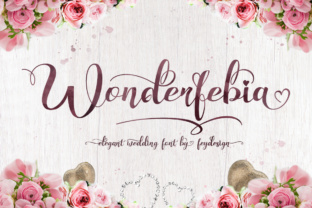
Wonderfebia is a script font designed to add a sense of movement and energy to any design project. Its unique combination of fluidity and structure makes it a popular choice among designers looking for a dynamic, expressive typeface. With its extensive set of alternates, Wonderfebia offers flexibility that can elevate the visual appeal of logos, branding materials, and other creative works.
What Makes Wonderfebia Unique?
As a script font, Wonderfebia stands out due to its springy and playful character shapes. Unlike more traditional script fonts, which often have a consistent style throughout, Wonderfebia includes multiple alternate glyphs for each letter. This allows designers to vary the look of text, creating a more natural and handcrafted appearance. The font’s versatility comes from its ability to adapt to different design contexts while maintaining a cohesive aesthetic.
The font’s design is particularly well-suited for projects that require a sense of motion or playfulness. Whether used in packaging, social media graphics, or editorial layouts, Wonderfebia can add a distinctive visual identity that captures attention without overwhelming the viewer.
Reasons to Consider Wonderfebia
Designers who are looking for a font that offers both creativity and practicality may find Wonderfebia to be an appealing option. Its wide range of alternates provides greater control over typography, allowing users to fine-tune the look of their designs. This level of customization can be especially valuable when working on high-impact projects such as brand identities or promotional materials.
Another benefit of Wonderfebia is its readability. While many script fonts can be difficult to read at smaller sizes, this font maintains legibility even in moderate point sizes. This makes it suitable for a variety of applications, including headings, titles, and short phrases.
Benefits and Tradeoffs
One of the main advantages of using Wonderfebia is its ability to enhance the visual interest of a design. The font’s dynamic characteristics can help differentiate a project from others that use more standard typefaces. Additionally, the availability of alternates means that designers can create more varied and engaging typographic compositions.
However, there are some tradeoffs to consider. The complexity of the font’s alternates may require additional time and effort to manage effectively. Designers who are not familiar with advanced typography tools may find it challenging to fully utilize the font’s features. Furthermore, because of its expressive nature, Wonderfebia may not be the best choice for all types of projects, particularly those that require a more formal or minimalistic approach.
Situations Where Wonderfebia Excels
Wonderfebia is ideal for projects that aim to convey a sense of fun, creativity, or movement. It works well in branding for lifestyle products, fashion, or entertainment-related content. For example, a designer working on a children’s product line might find that Wonderfebia adds a playful and engaging quality to the overall design.
It is also a strong choice for digital marketing campaigns, where eye-catching typography can help draw attention. In web design, the font can be used for headlines or call-to-action elements, providing a visually striking contrast to more conventional typefaces.
When Alternatives May Be Better
While Wonderfebia has many strengths, there are situations where other fonts may be more appropriate. For instance, if a project requires a clean, professional look, a sans-serif or serif font might be a better fit. These fonts often provide a more neutral and timeless appearance that can complement a wide range of design styles.
In cases where simplicity and clarity are key, such as in technical documentation or user interfaces, a more straightforward typeface could be preferable. The same applies to projects that rely heavily on text-based content, where readability is essential. In these scenarios, the expressive qualities of Wonderfebia may not align with the project’s goals.
Practical Insights for Decision-Making
When evaluating whether Wonderfebia is the right choice, designers should consider the specific needs of their project. It is helpful to test the font in different contexts to see how it performs in various sizes and formats. Experimenting with the alternates can also reveal how much control the font offers and whether it meets the desired aesthetic goals.
Additionally, it is important to assess the font’s compatibility with other design elements. If the rest of the project uses a more structured or minimalist approach, Wonderfebia may stand out in a way that is not intended. Conversely, if the design already incorporates a lot of visual elements, the font may blend in more seamlessly.
Finally, considering the target audience is crucial. A font like Wonderfebia may resonate more with younger or more casual audiences, while a more traditional typeface may be more appropriate for a corporate or academic setting. Understanding the preferences of the intended audience can help guide the decision-making process.
Conclusion
Wonderfebia is a versatile script font that offers a unique blend of creativity and functionality. Its dynamic character shapes and extensive alternates make it a valuable tool for designers seeking to add visual interest to their work. However, its suitability depends on the specific requirements of each project. By carefully evaluating the font’s strengths and limitations, designers can determine whether it aligns with their goals and enhances their overall design strategy.