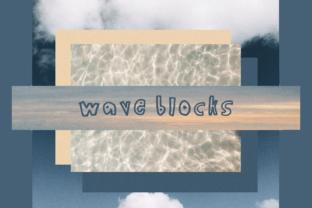
Wave Blocks: A Hand-Written Block Letter Font for Creative Workflows
Wave Blocks is a distinctive hand-written block lettered font that adds a unique, personal touch to any design project. Its organic, flowing style makes it ideal for branding, marketing materials, editorial layouts, and digital content where a humanized aesthetic is desired. Whether you're working on a website, social media post, or printed document, Wave Blocks can bring a sense of warmth and authenticity that other fonts often lack.
This font fits naturally into creative workflows by offering a visual alternative to standard typefaces. It works well in both digital and print environments, making it a versatile choice for designers, marketers, and content creators who want to stand out without sacrificing readability.
Integrating Wave Blocks into Your Workflow
Wave Blocks can be used at various stages of a project, from initial concept to final delivery. Before starting a design, consider how the font will contribute to the overall message and tone. For example, if you're creating a promotional flyer for a local event, using Wave Blocks can help convey a friendly, community-focused vibe.
During the design process, Wave Blocks can serve as a key element in establishing brand identity. It pairs well with minimalist layouts, bold graphics, and clean color schemes. When combined with other fonts, it can create a balanced contrast that enhances visual hierarchy without overwhelming the viewer.
After the project is complete, Wave Blocks can help maintain consistency across all materials. By using the same font in emails, social media posts, and physical assets, you reinforce brand recognition and create a cohesive experience for your audience.
Practical Use Cases for Wave Blocks
Wave Blocks is particularly useful in marketing and advertising. Its hand-crafted appearance can make slogans, headlines, and call-to-action buttons more engaging. For instance, a small business owner might use Wave Blocks in a logo to differentiate their brand from competitors who rely on generic fonts.
In educational settings, Wave Blocks can be used to create visually appealing worksheets, presentations, or study guides. Its readable yet artistic style helps keep students engaged while maintaining a professional look. Teachers and educators can also use it to add a personal touch to lesson plans or classroom signage.
Freelancers and independent creators often use Wave Blocks in their portfolios or client proposals. It adds a level of craftsmanship that reflects their attention to detail and creative approach. Whether designing a website, crafting a blog post, or preparing a pitch deck, Wave Blocks can elevate the presentation without being distracting.
Compatibility and Usability
Wave Blocks is compatible with most design software, including Adobe Creative Suite, Figma, Canva, and other popular tools. It's available in multiple file formats, such as OTF and TTF, ensuring it works seamlessly across different platforms and devices.
When using Wave Blocks, it's important to consider its legibility at different sizes. While it looks great in large headings, it may not be suitable for body text due to its decorative nature. Always test the font in the context where it will be used to ensure it meets readability standards.
For users who are new to custom fonts, integrating Wave Blocks into their workflow may require some setup. Most design programs allow you to install and apply custom fonts easily. Once installed, Wave Blocks can be accessed just like any other font, making it a straightforward addition to your design toolkit.
Workflow Tips for Effective Use
To get the most out of Wave Blocks, start by identifying the specific needs of your project. Ask yourself: What message do I want to convey? What tone should the design have? How does this font align with my overall style?
When working with a team, communicate clearly about the use of Wave Blocks. Ensure everyone understands when and how to apply it to maintain consistency. This is especially important in collaborative environments where multiple people may be involved in the design process.
Use Wave Blocks strategically rather than overusing it. Applying it too frequently can reduce its impact and make the design feel cluttered. Instead, reserve it for key elements such as titles, logos, or special sections that benefit from a personalized touch.
Long-Term Considerations
As your projects evolve, consider how Wave Blocks will fit into your long-term design strategy. Will it remain relevant as your brand grows? Are there other fonts that could complement it for different applications? These questions help ensure that your design choices support your goals over time.
Regularly review how Wave Blocks performs in different contexts. As design trends change, you may find new ways to incorporate it into your work. Staying adaptable allows you to maximize its value while keeping your designs fresh and modern.
Finally, keep track of where and how you use Wave Blocks. This helps you identify patterns, refine your approach, and make informed decisions about future projects. By documenting your experiences, you build a foundation for more effective design practices.
Conclusion
Wave Blocks is more than just a font—it's a tool that can enhance creativity, improve communication, and add personality to your work. By understanding how it fits into your workflow and using it thoughtfully, you can leverage its unique qualities to achieve better results.
Whether you're designing for a business, an educational setting, or a personal project, Wave Blocks offers a flexible and expressive option that can elevate your output. With the right approach, it becomes an essential part of your design process, helping you create work that stands out and resonates with your audience.