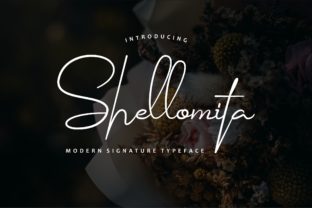
Shellomita: A Modern Script for Elegant Design Workflows
Shellomita is a signature typeface that blends elegance with modernity, offering a relaxed yet refined aesthetic. Its unique character makes it ideal for display and editorial applications where visual appeal meets functionality. Whether you're working on branding, editorial layouts, or digital content, Shellomita can enhance your design process by adding a touch of sophistication and personality.
This script font is particularly well-suited for projects that require a personal or artistic flair. Its fluid lines and natural flow make it a popular choice among designers, marketers, and content creators looking to stand out in a competitive space. By integrating Shellomita into your workflow, you can elevate the visual impact of your work while maintaining clarity and readability.
Understanding Shellomita in the Design Process
Before diving into how Shellomita fits into your workflow, it's important to understand its role within the broader design process. As a signature typeface, it's not meant to be used as a primary body font but rather as a tool for emphasis, headlines, and decorative elements. This distinction helps maintain balance in your designs and ensures that the typography supports the message rather than overshadowing it.
When planning your design project, consider where Shellomita can add value. For instance, in a branding initiative, it might be used for a logo or tagline to convey a sense of authenticity and creativity. In editorial work, it could be used for headings or pull quotes to draw attention and create visual interest.
By identifying these opportunities early in the planning phase, you can ensure that Shellomita is used effectively and consistently across all design assets. This approach also helps maintain a cohesive visual identity, which is crucial for brand recognition and user experience.
Integrating Shellomita into Your Workflow
Once you've determined where Shellomita fits in your design process, the next step is to integrate it into your workflow. This involves selecting the right tools, setting up your design environment, and establishing guidelines for consistent use.
Start by choosing a design platform that supports custom fonts, such as Adobe Creative Suite, Figma, or Canva. These tools allow you to easily access and apply Shellomita to your projects. If you're working with multiple team members, consider creating a shared style guide that includes font usage rules, spacing guidelines, and examples of appropriate applications.
When using Shellomita in a collaborative setting, communication is key. Make sure your team understands the purpose and limitations of the font. Encourage them to experiment with different sizes, weights, and placements to find the best fit for each project. This flexibility can lead to more creative and effective design solutions.
Practical Tips for Using Shellomita
- Use it for emphasis: Shellomita works best when used sparingly to highlight key elements like headlines, logos, or call-to-action buttons.
- Pair it with complementary fonts: Combine it with a clean, sans-serif font for body text to create contrast and improve readability.
- Test it at different sizes: Ensure that it remains legible and visually appealing at various scales, especially if it will be used in both digital and print formats.
- Consider the context: The tone and style of your project should influence how you use Shellomita. For example, a more casual project might benefit from a bolder or more stylized version of the font.
Shellomita in Real-World Applications
Shellomita's versatility makes it suitable for a wide range of real-world applications. From social media posts and email newsletters to packaging designs and signage, this font can add a unique touch to any visual element.
In marketing campaigns, Shellomita can be used to create eye-catching headlines that capture attention and convey a brand's personality. For example, a lifestyle brand might use it in a promotional poster to evoke a sense of creativity and individuality. Similarly, a small business owner could use it in a logo to establish a memorable and distinctive brand identity.
When working on editorial projects, such as magazines or blogs, Shellomita can be used for section headers, captions, or feature stories. Its elegant appearance helps break up dense text and guide readers through the content. However, it's important to avoid overusing it, as this can reduce its effectiveness and make the design feel cluttered.
Ensuring Consistency and Quality Control
Consistency is essential when using Shellomita across multiple projects or platforms. Establishing clear guidelines for font usage helps maintain a professional and cohesive look, especially when working on large-scale or long-term projects.
One way to ensure consistency is to create a font library that includes different weights and styles of Shellomita. This allows you to quickly access the right version for each task without having to search through multiple files. Additionally, using a design system or style guide can help standardize the use of typography across your organization.
Quality control is another important consideration. Regularly review your designs to ensure that Shellomita is being used appropriately and that it doesn't interfere with readability or accessibility. If necessary, adjust the spacing, size, or color to improve the overall visual hierarchy and user experience.
Long-Term Use and Maintenance
As with any design asset, Shellomita requires ongoing maintenance and updates to remain effective and relevant. Stay informed about new versions or variations of the font, and consider updating your design resources as needed.
Additionally, keep track of how Shellomita performs in different environments, such as web browsers, mobile devices, and print materials. This can help identify any issues related to rendering or compatibility and ensure that your designs look their best across all platforms.
Finally, encourage feedback from users and stakeholders to refine your approach to using Shellomita. Their insights can help you discover new ways to leverage the font and improve the overall quality of your work.