Rosa: A Hand-Drawn Uppercase Typeface with a Touch of Elegance
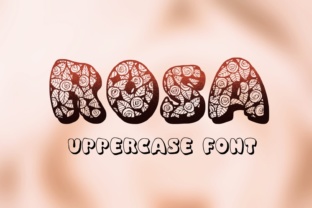
If you're looking for a typeface that blends artistry with functionality, Rosa might be the perfect choice. This hand-drawn uppercase font is more than just a visual element—it's a statement. Decorated with intricate roses and rose leaves, Rosa brings a sense of timeless beauty to any design project. Its unique aesthetic makes it ideal for those who want to add a touch of sophistication without sacrificing clarity.
Real-World Applications of Rosa
Rosa shines in scenarios where personalization and elegance are key. Monograms, for instance, are a natural fit. Whether you're designing a wedding invitation, a custom logo, or a personalized gift, Rosa adds a refined flair that stands out. The delicate details of the roses and leaves make it feel like a piece of art rather than just text.
For businesses in the fashion, lifestyle, or event planning industries, Rosa can elevate branding materials. Imagine a boutique using this font on its packaging or a floral designer incorporating it into a promotional poster. The font’s decorative nature complements products that emphasize beauty, luxury, or creativity.
Event planners often use Rosa for invitations and signage. Its ornate style works well for weddings, galas, or themed parties. The font’s hand-drawn quality gives it a personal, artisanal feel that resonates with guests looking for something unique. It also pairs beautifully with other decorative elements like borders or illustrations.
Who Benefits from Using Rosa?
Designers and artists will find Rosa particularly useful for creating eye-catching visuals. Its intricate details allow for creative experimentation, whether in digital illustrations, print designs, or social media graphics. For those who want to express individuality, Rosa offers a way to stand out from the crowd.
Business owners seeking to differentiate their brand may also benefit. In a market saturated with generic fonts, Rosa provides a distinctive identity. It’s especially effective for small businesses or independent creators who want to convey a sense of craftsmanship and attention to detail.
Consumers interested in custom products can appreciate how Rosa enhances the visual appeal of items like greeting cards, stationery, or home décor. When paired with high-quality paper or printing techniques, the font becomes a focal point that elevates the overall experience.
Considerations Before Using Rosa
While Rosa is visually striking, it’s important to consider its readability. Due to its decorative nature, it may not be suitable for long blocks of text. Use it strategically—perhaps as a headline, title, or accent rather than body copy. This ensures that the font remains impactful without compromising legibility.
Another consideration is the context in which it’s used. Rosa works best in settings that align with its aesthetic—such as weddings, artistic projects, or luxury brands. It may not be appropriate for more formal or corporate environments where simplicity and clarity are prioritized.
When choosing a font like Rosa, it’s also wise to test it in different sizes and formats. What looks elegant in a large heading might appear cluttered in a smaller size. Experimenting with spacing, color, and background can help achieve the desired effect without overwhelming the viewer.
Strengths and Limitations of Rosa
Rosa’s greatest strength lies in its ability to convey emotion and personality. Its hand-drawn quality adds a human touch that many digital fonts lack. This makes it ideal for projects that aim to evoke warmth, romance, or creativity. The font’s versatility allows it to adapt to various styles, from vintage to modern, depending on how it’s used.
However, its decorative elements can sometimes be a double-edged sword. While they add visual interest, they may also distract from the message if overused. Users should balance the font’s ornate features with other design elements to maintain harmony and focus.
Additionally, Rosa may require specific tools or software to access and apply effectively. Not all design platforms support custom fonts seamlessly, so users should verify compatibility before committing to a project. Investing in high-quality font files can also ensure that the final output maintains the intended aesthetic.
Practical Examples of Rosa in Action
Imagine a florist creating a series of custom thank-you cards for clients. By using Rosa in the header and alongside floral illustrations, the cards feel more personal and thoughtful. The font’s elegance reinforces the brand’s commitment to quality and care.
A wedding planner might incorporate Rosa into a guestbook or ceremony program. The font’s romantic feel aligns perfectly with the occasion, adding a touch of class that guests will remember. It also works well with soft pastel colors or gold accents for a cohesive look.
For a small business owner launching a new line of handmade soap, Rosa could appear on product labels and packaging. The font’s organic, artistic vibe complements the product’s natural ingredients and artisanal approach, helping to build a strong brand identity.