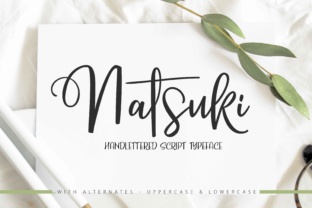
Natsuki: A Timeless Script for Modern Design
In the world of typography, few fonts manage to bridge the gap between tradition and modernity as seamlessly as Natsuki. This stunning calligraphy script font is more than just a visual treat—it's a versatile tool that can elevate any design project with its elegant, spiky strokes and romantic undertones. Whether you're crafting an invitation, designing a logo, or creating a piece of art, Natsuki offers a unique blend of classic charm and contemporary flair.
At first glance, Natsuki might seem like a simple script font, but its intricacies reveal a depth that makes it stand out in a crowded market. The font's sharp, pointed details give it a dynamic energy, while its flowing lines maintain a sense of grace and sophistication. This combination makes Natsuki particularly well-suited for projects that require both visual impact and a touch of refinement.
The Unique Characteristics of Natsuki
One of the most striking features of Natsuki is its distinct stroke variation. Unlike many script fonts that rely on uniformity, Natsuki incorporates subtle differences in line weight and curvature, which add a sense of movement and authenticity. These variations mimic the natural flow of hand-drawn lettering, making the font feel more organic and less mechanical.
Another defining trait of Natsuki is its versatility. While it excels in decorative applications, it also maintains readability at smaller sizes, which is essential for practical use cases such as headings, logos, and signage. This balance between aesthetics and functionality is what sets Natsuki apart from other display fonts that may prioritize style over usability.
The font's structure also allows for a wide range of stylistic options. From formal and elegant to playful and whimsical, Natsuki can be adapted to suit different design contexts. This flexibility makes it a valuable asset for designers who want to maintain a cohesive visual identity across multiple platforms and formats.
Applications of Natsuki in Design Projects
One of the most common uses for Natsuki is in event design, where its romantic and classic appeal can enhance the overall atmosphere. For example, wedding invitations often benefit from the font's graceful curves and dramatic accents, creating a sense of elegance that resonates with couples looking for a personalized touch.
Businesses and brands can also leverage Natsuki to create a distinctive visual identity. Logos that incorporate this font tend to exude a sense of creativity and individuality, which can help differentiate a brand in a competitive market. Additionally, Natsuki works well in packaging design, where its bold yet refined look can capture attention and convey a sense of quality.
In the realm of digital media, Natsuki is frequently used in social media graphics, banners, and website headers. Its eye-catching nature makes it ideal for headlines that need to stand out without overwhelming the viewer. When paired with complementary typefaces, Natsuki can create a balanced and visually appealing layout that enhances user experience.
Advantages of Using Natsuki
One of the key advantages of Natsuki is its ability to convey emotion through typography. The font's expressive strokes and fluid forms can evoke feelings of romance, nostalgia, and sophistication, making it a powerful tool for storytelling and brand messaging. This emotional resonance can be especially effective in marketing campaigns that aim to connect with audiences on a deeper level.
Another benefit of Natsuki is its adaptability across different mediums. Whether printed on paper, displayed on a screen, or embedded in a digital file, the font retains its clarity and visual appeal. This consistency ensures that designs remain impactful regardless of the platform or format in which they are presented.
For designers, Natsuki offers a high degree of customization. Many versions of the font include alternate characters, ligatures, and stylistic sets that allow for greater creative control. These features enable designers to fine-tune their work and achieve a more personalized result, which is particularly valuable in high-end or bespoke design projects.
Considerations When Using Natsuki
While Natsuki is a powerful font, it's important to use it judiciously. Overusing the font in large blocks of text can reduce readability and diminish its visual impact. It's best reserved for headings, titles, and short phrases where its aesthetic qualities can shine without overwhelming the reader.
Designers should also consider the context in which Natsuki is used. While it works well in romantic or artistic settings, it may not be the best choice for corporate or technical documents that require a more neutral and professional appearance. Understanding the tone and purpose of a project is essential when selecting the right typeface.
Finally, it's worth noting that the effectiveness of Natsuki can depend on the quality of the font file itself. Choosing a well-designed and properly licensed version of the font ensures that it performs reliably across different devices and software. This attention to detail can make a significant difference in the final outcome of a design project.
Conclusion
Natsuki is more than just a font—it's a design element that can transform the way visual content is perceived and experienced. Its unique blend of traditional calligraphy and modern sensibility makes it a valuable resource for anyone involved in design, branding, or creative expression. By understanding its characteristics, applications, and limitations, designers can harness the full potential of Natsuki to create compelling and memorable visual experiences.