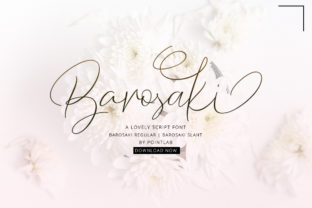
Barosaki: A Font That Combines Tradition and Modernity
Barosaki is more than just a font—it's a design statement. This unique typeface blends classic and modern sensibilities, creating a look that feels both timeless and contemporary. Its intriguing imperfections add character, making it stand out in a sea of generic fonts. Whether you're working on a logo, a website, or a print project, Barosaki offers a fresh and distinctive alternative to standard typefaces.
What makes Barosaki particularly appealing is its balance between structure and spontaneity. Unlike many fonts that aim for perfect symmetry, Barosaki embraces subtle irregularities that give it a handcrafted feel. These small deviations from uniformity can make your design feel more human and authentic, which is especially valuable in creative and personal projects.
Common Mistakes When Using Barosaki
Despite its appeal, some users may overlook key details when choosing or applying Barosaki. One common mistake is assuming that a unique font will automatically elevate a design. While Barosaki has visual interest, it still needs to serve the purpose of the project. If the font is too unconventional for the context, it can distract rather than enhance the message.
Another mistake is not considering legibility. While Barosaki’s imperfections are part of its charm, they can affect readability, especially in smaller sizes or when used in long paragraphs. It’s important to test the font in different scenarios before finalizing your design. For example, using it as a headline might work well, but using it for body text could lead to poor user experience.
Some users also fail to check licensing terms before downloading or purchasing Barosaki. Fonts often come with specific usage rights, and violating these can lead to legal issues. Always verify the license agreement to ensure that you’re allowed to use the font for your intended purpose, whether it's commercial, personal, or educational.
How to Avoid Common Pitfalls
To get the most out of Barosaki, start by understanding your design goals. Ask yourself: What message do I want to convey? Who is my audience? How does the font align with the overall tone of the project? These questions can help you determine if Barosaki is the right choice or if a more traditional font might be better suited for the task.
When experimenting with Barosaki, use it strategically. Pair it with simpler, more readable fonts for contrast. For instance, use Barosaki for headings or titles and pair it with a sans-serif font like Arial or Helvetica for body text. This approach maintains visual interest while ensuring clarity and readability.
Before downloading or purchasing Barosaki, take time to review the available samples. Many font foundries provide free trials or demo versions. Use these to test the font in real-world situations. Try it on a mock-up of your project, adjust the size and spacing, and see how it looks in different contexts. This step can save you from costly mistakes down the line.
Key Considerations Before Making a Decision
Before committing to Barosaki, consider the following factors:
- Project Type: Is the font suitable for the medium you're working on? Web, print, or mobile? Some fonts perform better in certain formats than others.
- Target Audience: Will the font resonate with your intended viewers? A highly stylized font might not be appropriate for a professional business document but could be ideal for a creative portfolio or artistic project.
- Brand Identity: Does Barosaki align with your brand’s personality? A font should reflect the values and tone of your brand, not clash with them.
- Technical Compatibility: Ensure that the font works across different platforms and devices. Some fonts may not render consistently on all systems, leading to display issues.
Realistic Examples and Better Approaches
Imagine you're designing a logo for a boutique coffee shop. Barosaki could add a warm, artisanal feel that complements the brand’s image. However, if you're creating a corporate report, Barosaki might be too informal and could undermine the professionalism of the document.
A better approach is to use Barosaki in a way that enhances, rather than overwhelms, the design. For example, use it for a tagline or a special section of a website, where its uniqueness can shine without compromising readability. In print materials, use it for headings or captions rather than full paragraphs.
If you're unsure about how Barosaki will look in your project, consider consulting with a designer or testing it with a small group of users. Feedback can reveal insights you might not have considered, helping you make a more informed decision.
Final Thoughts on Choosing Barosaki
Barosaki is a versatile and visually compelling font that can add personality and style to your designs. However, its effectiveness depends on how it's used. By avoiding common mistakes, understanding your design goals, and testing the font in real-world scenarios, you can ensure that Barosaki enhances your work rather than detracts from it.
Whether you're a beginner exploring typography or a professional looking for a fresh alternative, Barosaki offers a unique opportunity to express creativity while maintaining functionality. With careful consideration and practical application, this font can become a powerful tool in your design arsenal.